Get Weekly Travel Inspiration Straight to Your Inbox




100+ subscribers
Join 100+ subscribers who receive our curated destination picks, flight deal alerts, and exclusive travel guides — every Thursday.

From the torii gates of Fushimi Inari Taisha to the rush of the shinkansen pulling into Kyoto Station — here’s the insider guide that actually tells you what it’s like.
There are cities you visit and cities that change you. Kyoto — Japan’s imperial capital for over a thousand years — sits firmly in the second category. While Tokyo dazzles with its neon-lit chaos, Kyoto city in Japan moves to a different rhythm entirely. Here, Buddhist monks still sweep stone courtyards at dawn, geisha glide between lantern-lit teahouses in Gion, and wooden machiya townhouses line streets that have barely changed in centuries.
With 17 UNESCO World Heritage Sites within city limits and over 1,600 temples and shrines, Kyoto is not a place you “do” in a weekend. Experienced travelers consistently recommend at least four full days; a week is closer to ideal. The city’s magic lies not just in its big-ticket sights but in what you stumble upon between them — a hidden shrine tucked behind a bamboo grove, a matcha shop run by the same family for six generations, a canal lined with cherry trees at golden hour.
That said, Kyoto has never been more popular. Record numbers of tourists have been arriving in recent years, so having a solid strategy makes the difference between an unforgettable trip and a frustrating crowd-shuffle through the same five photo spots. This guide will give you exactly that.
Kyoto has four distinct seasons, each with its own magic — and its own crowd dynamics.
Spring (late March to early April) is the postcard season. Cherry blossoms peak around the first week of April, turning the Philosopher’s Path, Maruyama Park, and the Arashiyama riverbanks into something from a dream. Hotels book out four to six months in advance during this window, so plan early or budget for steep last-minute rates.
Autumn (mid-November to early December) is arguably even more beautiful. Maple foliage at temples like Tofuku-ji, Kiyomizu-dera, and Arashiyama burns in deep reds and oranges. Several temples offer special evening illumination events during this season. Like spring, accommodation fills up fast.
Shoulder seasons (late May to early July, mid-September to late October) are when savvy travelers visit. The weather is manageable, hotels are cheaper, and the famous temples are far less chaotic. Early summer brings vivid greens and the festive energy of the Gion Festival (the whole of July), one of the greatest festivals in Japan. September delivers comfortable temperatures and quieter streets.
Winter (December to February) is cold — temperatures can dip below 0°C — but also quietly stunning. Occasional snow dusts the temple rooftops, and crowds are at their annual low. A dusting of snow on Kinkaku-ji’s golden pavilion is a photographer’s dream.
Avoid: Golden Week (April 29–May 5), Obon (mid-August), and New Year (December 29–January 3). Domestic tourism surges collide with international visitors during these periods, and some smaller temples close.
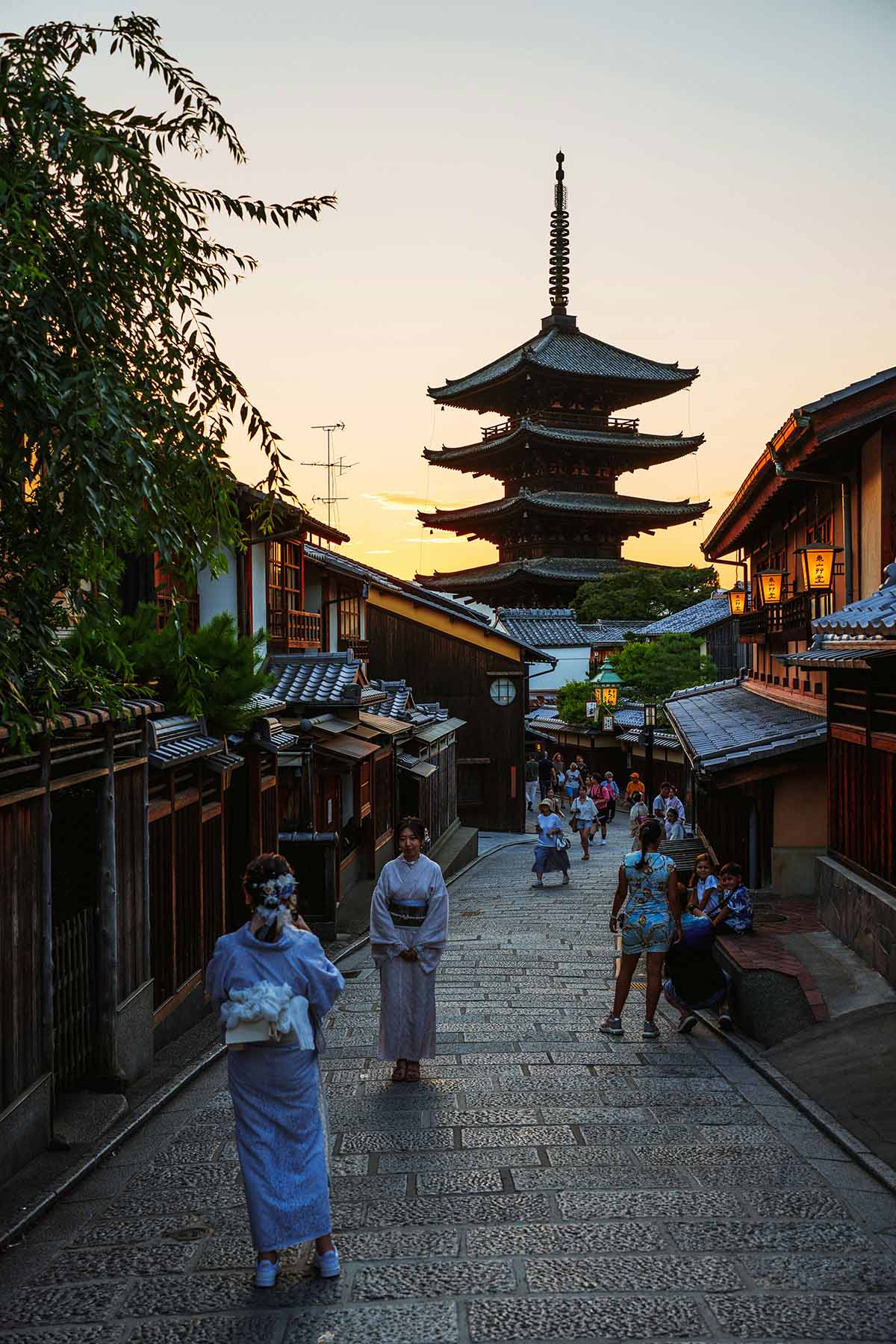
Comfort and respect go hand in hand in Kyoto. A few practical notes:
Footwear matters most. You will walk — a lot. Comfortable, broken-in shoes or sneakers are essential. Many temple floors involve removing shoes repeatedly, so slip-ons can save time and frustration.
Dress modestly. You don’t need to be formally dressed, but shoulders and knees are worth covering at major shrines and temples, particularly for religious ceremonies. Lightweight layers work well in most seasons.
Spring: Layers are key. Mornings can be cool (10–15°C), afternoons warm. A light jacket over a long-sleeved shirt is the sweet spot.
Summer: Light, breathable fabrics are non-negotiable. Humidity makes Kyoto’s summers genuinely hot. A compact umbrella doubles as sun protection. Many visitors rent a yukata (summer kimono) — it’s both comfortable and memorable.
Autumn: A sweater and jacket for October; a warmer coat for November onward.
Winter: Thermal layers, a proper coat, and comfortable walking boots. Temple gardens often involve outdoor walkways with no shelter.
Pro tip: If you plan to visit Fushimi Inari Taisha and hike the torii gate trail, wear proper walking shoes. The path ascends 233 meters and covers a 2.7-mile loop over uneven stone steps.
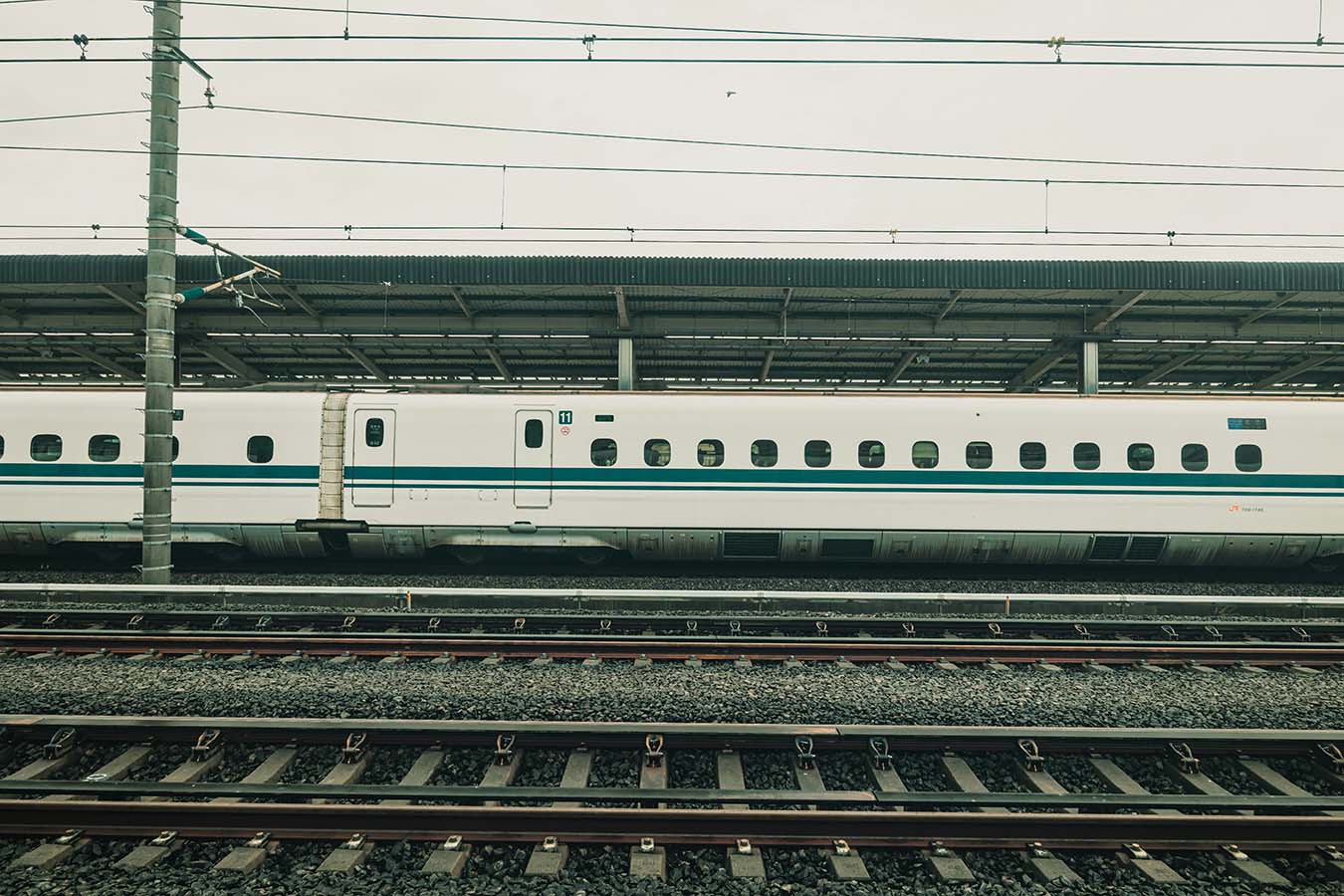
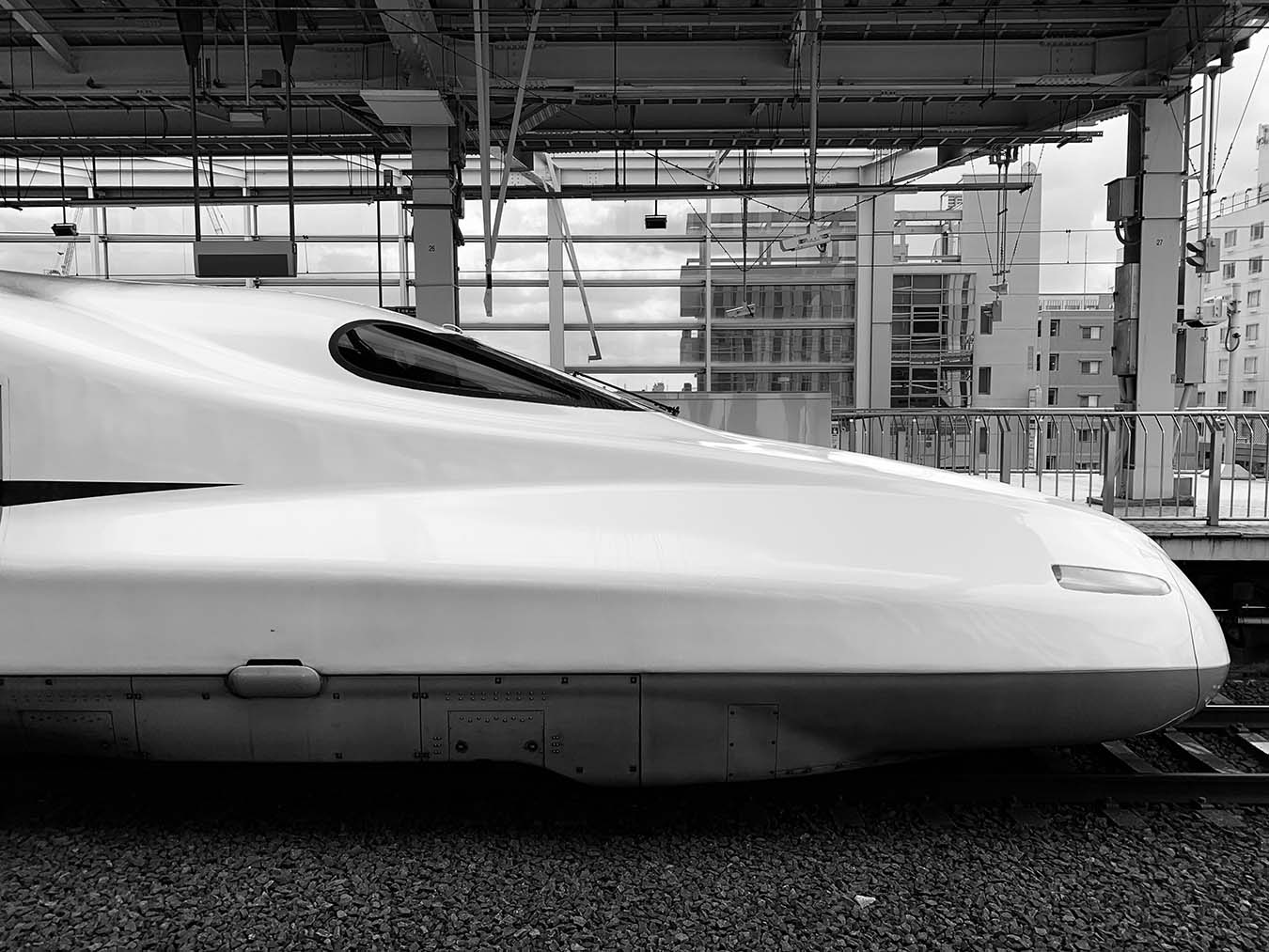
The journey from Tokyo to Kyoto by shinkansen is one of the iconic travel experiences in Japan — and for very good reason. The Tokaido Shinkansen line covers approximately 450 km between Tokyo Station and Kyoto Station in roughly two hours and fifteen minutes on the Nozomi service, the fastest option.
Three services operate this corridor:
Prices: A standard reserved seat on the Nozomi from Tokyo to Kyoto runs approximately ¥14,000–¥14,370 (around $90–100 USD). Unreserved seats start at ¥13,320. The Green Car (first class equivalent) costs ¥18,000–¥19,000. Trains depart roughly every 10–15 minutes throughout the day.
How to book: You can purchase tickets at any JR ticket window at a train station, or book online in advance through platforms like Klook, Rail Ninja, or the official SmartEX app. International credit cards occasionally have issues with SmartEX’s 3D Secure authentication, so third-party platforms can be more reliable. Receive QR code tickets by email and collect or scan them on arrival.
Japan Rail Pass holders: If you have a JR Pass, ride the Hikari (not the Nozomi) at no extra charge. You’ll arrive about 25 minutes later — a small price for the significant savings the pass provides across a longer trip.
Budget-conscious travelers can take overnight or daytime buses between Tokyo and Kyoto. Journey times run 7–8 hours, and tickets start from around ¥3,200 one-way. It’s not glamorous, but an overnight bus means you save on a night’s accommodation. Companies like Willer Express operate regular services.
Flying from Tokyo (Haneda or Narita) to Osaka’s Kansai International Airport (KIX) and then taking the train to Kyoto is another option, but when total travel time is factored in — airport transfers, security, boarding — the shinkansen is almost always faster and far less stressful for this particular route.
If you’re flying directly to Kansai International Airport and heading straight to Kyoto, you have two solid options:
Kyoto Station is one of the largest and most architecturally striking train stations in Japan — a vast, futuristic steel-and-glass structure that somehow sits across from an ancient Buddhist temple. For first-time visitors, it can feel overwhelming, but it’s actually your best friend in the city.
From Kyoto Station, you can reach nearly every major attraction by bus or subway. The station’s north exit feeds into the city bus terminal, where Lines 100, 101, 205, and 206 cover most tourist corridors. The Kintetsu and Karasuma subway lines connect here too. Tourist information centers inside the station provide free maps and English-language assistance — seek them out before exploring.
Practical amenities worth knowing: coin lockers throughout the station allow you to store luggage and explore hands-free (highly recommended). Shops and restaurants fill multiple levels. The Kyoto Tower visible from the south exit is a handy orientation landmark.
Car rental offices cluster around both the north and south sides of the station building, with major companies including Toyota, Nissan, Times, and Orix all represented.
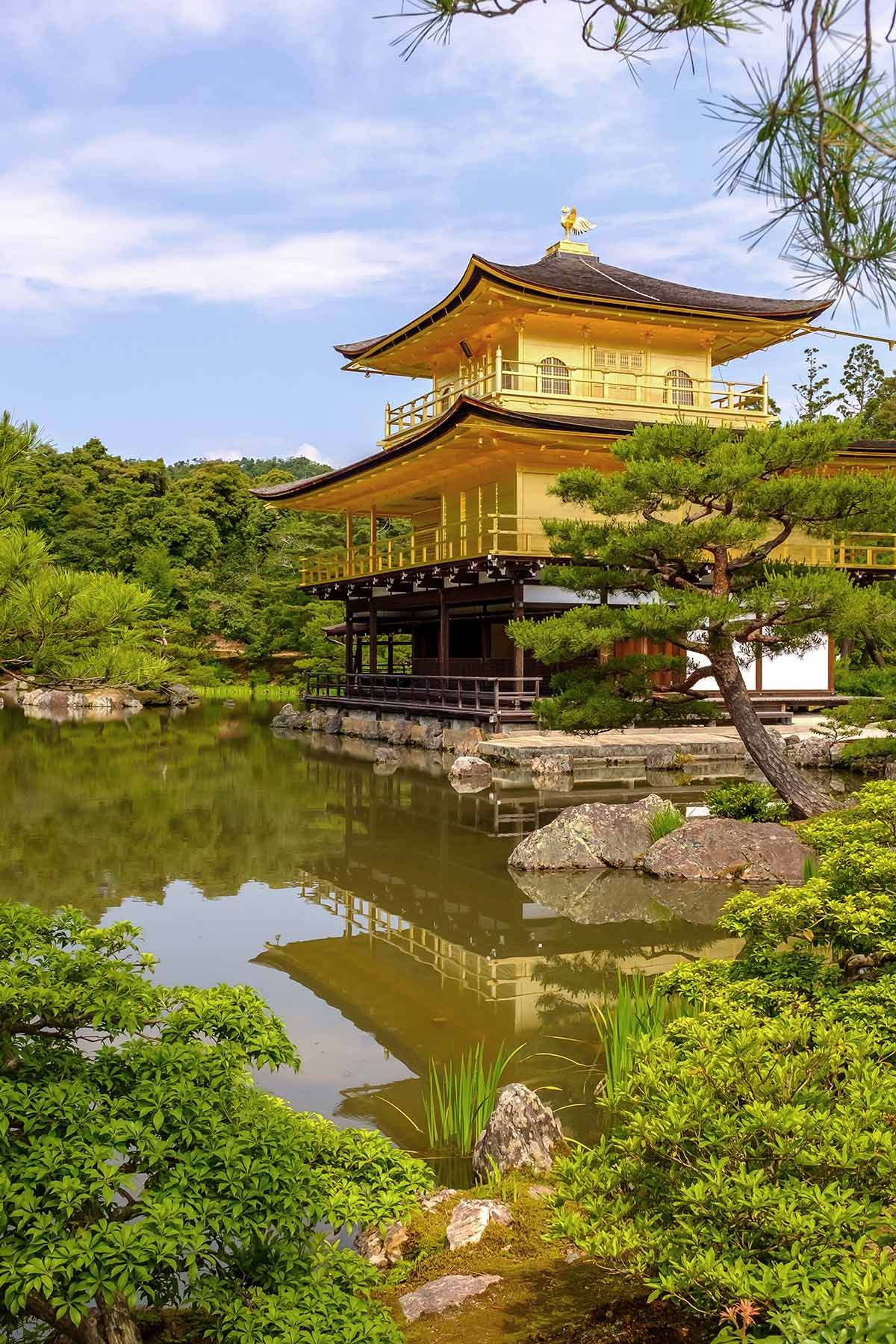
Few sights in Japan match the first glimpse of Kinkaku-ji shimmering over its mirror pond. The upper two floors of this Zen Buddhist temple are completely covered in real gold leaf, and the reflection in the water below doubles the spectacle. Built in the late 1300s by Shogun Ashikaga Yoshimitsu, it’s a UNESCO World Heritage Site and arguably Kyoto’s single most photographed location.
Entrance: ¥500 for adults. Allow about an hour. Get there when it opens to beat the afternoon rush.
Perched dramatically on a hillside with sweeping views over Kyoto, Kiyomizu-dera is a masterwork of ancient Japanese carpentry — the famous main hall was built without a single nail. Founded in 780 AD, this UNESCO-listed temple is named after the pure waters of the Otowa Waterfall below, where visitors drink from three streams said to grant longevity, success, and love.
Entrance: ¥500 for adults. Open 6:00 am–6:00 pm (varies seasonally). Bus 100 or 206 from Kyoto Station to Goyo-zaka stop, then a 10-minute walk.
The western district of Arashiyama is a world unto itself. The Sagano Bamboo Grove — a cathedral of towering green stalks filtering pale light — is free to enter and open 24 hours, though early morning is the only time you’ll have it mostly to yourself. Beyond the bamboo: Tenryu-ji temple and its UNESCO-listed garden (¥500 entry for the garden), the Togetsu-kyo bridge over the Oi River, and the Arashiyama Monkey Park (¥600, worth it for the views and the monkeys).
Allow at least a half-day. Take the JR Sagano Line from Kyoto Station to Saga-Arashiyama Station (15 minutes).
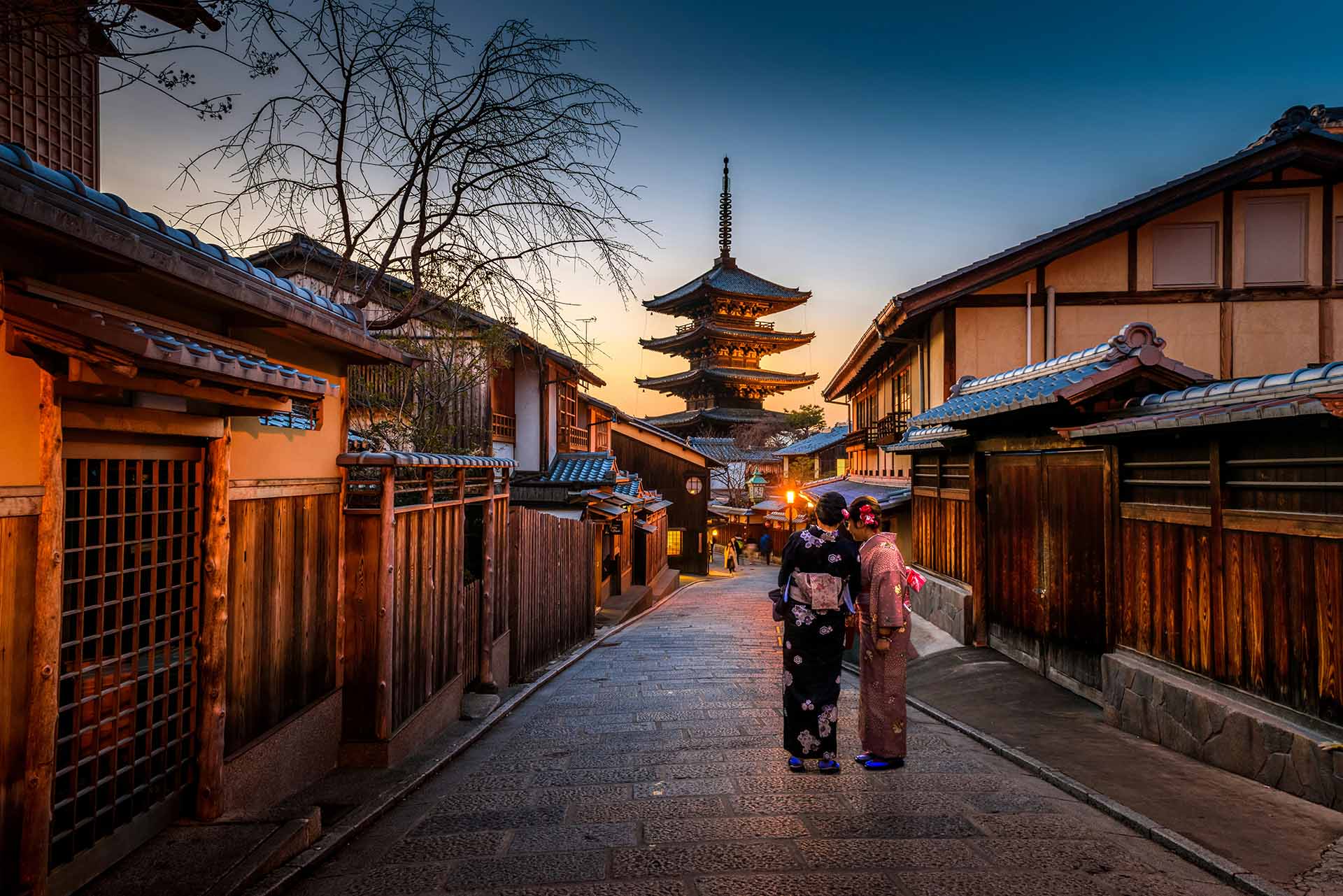
Gion is Kyoto’s most famous traditional district and remains the best place on earth to glimpse a geiko (Kyoto’s word for geisha) or a maiko (apprentice geisha) moving between engagements in the early evening. The cobblestone lane of Hanamikoji is lined with ochaya teahouses that have operated for centuries. Free to walk through anytime; the magic is best after 5 pm. Be respectful — residents live here, and pestering or photographing geisha without permission is deeply frowned upon.
The former Kyoto residence of the Tokugawa shoguns offers a rare glimpse inside feudal Japan’s power corridors. The Ninomaru Palace interiors are stunning; the “nightingale floors” — deliberately designed to creak when walked on, alerting guards to intruders — are a memorable detail. Beautiful strolling gardens surround the complex.
Entrance: ¥1,300 for adults. The highest admission fee among Kyoto’s major sights, but the interiors justify it.
Home to Japan’s most famous Zen rock garden — 15 carefully placed stones in raked white gravel, the meaning of which remains deliberately open to interpretation — Ryoan-ji is a place for quiet contemplation rather than spectacle. Often combined with Kinkaku-ji on a northwest Kyoto half-day.
Entrance: ¥600 for adults.
A canal-side stone path connecting Nanzen-ji Temple to Ginkaku-ji (the Silver Pavilion), named after the philosopher Nishida Kitaro who reportedly walked it daily. In spring, the cherry trees lining the canal create a tunnel of blossoms; in autumn, the maples take over. Free to walk. Allow 45–60 minutes one way.
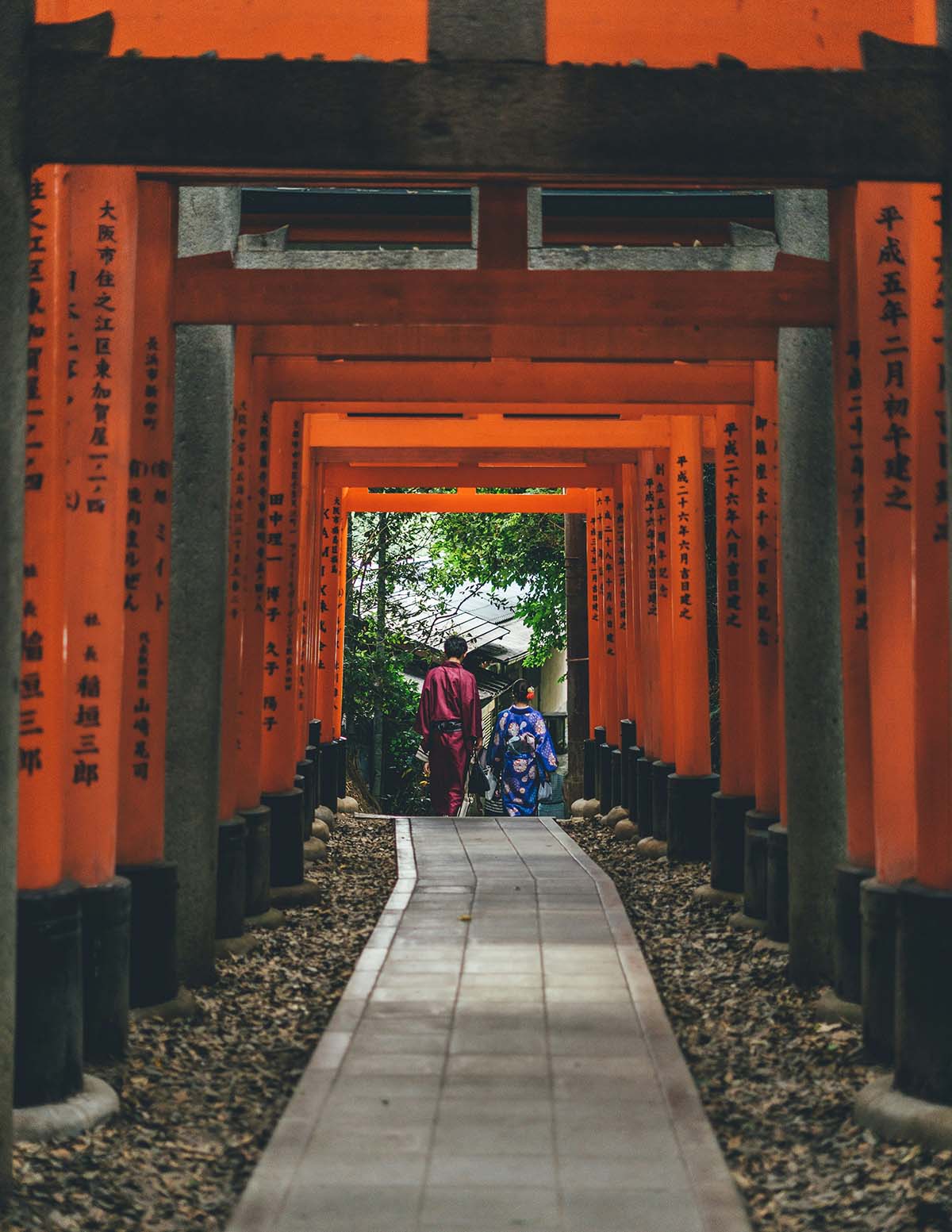
Fushimi Inari Taisha is Kyoto’s single most visited attraction — and unlike almost everything else on this list, it’s completely free to enter. The shrine, dedicated to Inari, the Shinto deity of rice, agriculture, and prosperity, is famous for its approximately 10,000 vermilion torii gates that wind their way up Mount Inari in a series of tunnels and forest paths.
The full loop trail is a 2.7-mile circuit ascending 233 meters, and takes 1.5–2 hours to complete. You don’t have to walk to the summit — even the lower section, dense with gates and crowded with fox statues (messengers of Inari), is worth visiting. The higher you go, the thinner the crowds get.
Key facts:
What tourists are saying: Visitors consistently describe the early morning experience as one of the highlights of their entire Japan trip. “We got there at 6:30 am and had the lower gates nearly to ourselves,” is a refrain you’ll find on almost every review platform. By 10 am, the lower sections are packed.
If you want a guide for the less-visited hiking trails behind the main torii gates, guided tours start from around $24–$70 (via GetYourGuide or Viator) and reveal bamboo groves and sub-shrines rarely found by solo visitors.
| Attraction | Adult Admission | Notes |
|---|---|---|
| Fushimi Inari Taisha | Free | Open 24/7 |
| Arashiyama Bamboo Grove | Free | Open 24/7 |
| Gion district | Free | Walk anytime |
| Nishiki Market | Free | Browse anytime |
| Kinkaku-ji (Golden Pavilion) | ¥500 (~$3.50) | UNESCO site |
| Kiyomizu-dera Temple | ¥500 (~$3.50) | UNESCO site |
| Ginkaku-ji (Silver Pavilion) | ¥500 (~$3.50) | UNESCO site |
| Ryoan-ji Temple | ¥600 (~$4) | Rock garden |
| Nijo Castle | ¥1,300 (~$9) | Palace interiors |
| Tenryu-ji Garden (Arashiyama) | ¥500 (~$3.50) | UNESCO site |
| TeamLab Biovortex Kyoto | ¥3,400–¥3,600 | Book in advance |
Discounts and passes worth knowing:
Kyoto’s public transport network is excellent for tourists, and the city is specifically designed so you don’t need a car.
City Buses: The backbone of Kyoto’s tourist transport network. Lines 100, 101, 205, and 206 cover the main sightseeing corridors efficiently. The IC card (Suica, Pasmo, or ICOCA) is the easiest way to pay — tap on and off with no fumbling for change.
Subway: Two lines — the Karasuma Line (north-south) and the Tozai Line (east-west) — connect central Kyoto. Less useful for some outer attractions but fast and reliable for the city center.
JR Lines: The JR Nara Line (Fushimi Inari in 5 minutes) and JR Sagano Line (Arashiyama in 15 minutes) are your two most useful rail connections from Kyoto Station.
Keihan Railway: Runs parallel to the eastern hills and connects Gion, Fushimi, and Uji. Useful if you’re exploring the eastern corridor.
Taxis: Available everywhere and metered. Comfortable for late-night returns or when carrying heavy luggage. Starting fares from around ¥600–¥700.
Bicycle rental: Kyoto is reasonably flat in the center and cycling between attractions is genuinely enjoyable. Many rental shops cluster near Kyoto Station and in Arashiyama. Expect ¥1,000–¥1,500 per day. E-bikes are increasingly available for the hillier routes.
On foot: The Higashiyama corridor — a roughly 5 km walk from Kiyomizu-dera through Ninenzaka, Sannenzaka, Gion, and up to the Philosopher’s Path — is one of the most rewarding urban walks in Japan. Plan three to four hours.
Here’s the honest truth: within Kyoto city itself, a rental car is more hindrance than help. Traffic is dense, streets in the historic districts are narrow, and parking is expensive and scarce. The public transport system handles virtually every major tourist attraction efficiently.
That said, a rental car transforms access to Kyoto’s rural surrounds:
How to rent: Several reputable agencies operate directly from Kyoto Station — Toyota, Nissan, Orix, Times, and Nippon are all represented on the north and south sides of the station building. Major international comparison platforms (Kayak, Klook, Discover Cars, RentalCars.com) allow you to compare rates before arrival.
Prices: Daily rates for a compact car start from around ¥6,000–¥8,000 ($43–$55 USD), with availability and prices varying significantly by season. December is the most expensive month; spring offers slightly better rates.
What you’ll need:
ETC cards: Many rental cars come with an ETC card, which lets you pass through highway tolls automatically. Tolls on expressways range from ¥300 to ¥2,300 depending on the route.
Book in advance. During cherry blossom season and autumn foliage peaks, rental cars in popular areas can sell out weeks ahead.
If you do bring or rent a car, be prepared for parking to be both challenging and costly in the city center:
The practical advice from long-time Japan road-trippers: park at or near your accommodation, and use public transport for the day’s sightseeing.
Kyoto city sits inland, so the sea isn’t on your doorstep — but that doesn’t mean you’re far from the water. Kyoto Prefecture stretches north all the way to the Sea of Japan, and the surrounding region offers some surprisingly stunning aquatic escapes within an hour or two of the city center.
Japan’s largest lake sits just 30 minutes from Kyoto Station by train (JR Kosei Line to Omi-Maiko Station). While technically a freshwater lake rather than a sea beach, Lake Biwa’s shores are proper sandy beaches with clear blue water, pine trees, and a distinctly laid-back summer atmosphere. Swimming is permitted at designated areas during the summer season (July–August), and lifeguards are on duty. Omi-Maiko Nakahama Beach is the most popular spot.
One of Japan’s “Three Most Scenic Views,” Amanohashidate is a 3.6 km pine-covered sandbar in northern Kyoto Prefecture. Two distinct beaches flank the sandbar: the lively Amanohashidate Beach on the south end (great for swimming) and the quieter Amanohashidate Fuchu Beach on the north (ideal for kayaking and stand-up paddleboarding). Swimming season runs mid-July to mid-August, with lifeguards stationed 9 am–5 pm.
Access via the Kyoto Tango Railway from Kyoto; about 7 minutes’ walk from Amanohashidate Station.
The Tango Peninsula in northern Kyoto Prefecture is, frankly, one of Japan’s most underrated coastal areas. Beaches here are genuinely beautiful — white sand, dramatic volcanic rock formations, clear water. Wakasa Wada Beach has achieved Blue Flag certification (one of only two beaches in all of Asia to hold this award), recognizing exceptional water quality and facilities. Yuhigaura Beach, stretching about two kilometers, is perfect for families and famous for spectacular sunsets.
Getting here is easiest by car (around 2 hours from central Kyoto), though the Kyoto Tango Railway runs up the coast.
Kyoto has no shortage of guided tours, and they vary wildly in value. Here’s an honest breakdown:
Budget-friendly city bus tours (~¥6,000–¥8,000/person): Operated by companies like Klook and KKday, these combine three or four major sights (typically Arashiyama, Kinkaku-ji, Fushimi Inari, and Kiyomizu-dera) in a single day with admission fees included. Good for first-timers who want to cover ground without planning stress. Downtime at each site is limited but sufficient.
Small-group walking tours (~$60–$100/person): The sweet spot for most visitors. GetYourGuide and Viator list dozens, covering everything from early morning Fushimi Inari hikes to Gion food tours (typically 13 dishes across 4 local eateries for around $60–$100). TripAdvisor consistently rates the early morning tours — departing 6:45–7:00 am — as standout experiences, because guides get you to iconic spots before the crowds materialize.
Private guided tours (~$270+/day): Worth it for families with young children, travelers with mobility considerations, or anyone wanting a fully customized itinerary. Guides like those from the Good Samaritan Club (praised extensively on TripAdvisor) tailor the entire day around your preferences and produce genuinely memorable experiences.
Fushimi Inari hidden hiking tours (~$24–$70): Specifically worth highlighting. The standard torii gate walk is beautiful, but a guided hike to the lesser-known trails behind the main path — through a natural bamboo forest, past a small sub-shrine hidden from tourist maps, with views of Fushimi-Momoyama Castle — reveals a completely different experience. Highly rated on Viator (4.9 stars across 300+ reviews).
Skip: Any tour that packs more than four major sights into a single day. You’ll spend more time in car parks and coach queues than actually experiencing anything. Kyoto rewards slowness.
Kyoto’s cuisine — kyo-ryori — is its own distinct culinary tradition, historically shaped by Buddhist temple cooking and the Imperial court. A few things you absolutely should not leave without trying:
Kaiseki: Kyoto’s multi-course haute cuisine, using seasonal, local ingredients arranged with extraordinary aesthetic care. Prices range from ¥8,000 for lunch at a mid-range kaiseki restaurant to well over ¥30,000 for a multi-hour dinner at a top establishment. Worth splurging on at least once.
Tofu dishes: Kyoto’s tofu is famous across Japan. Yudofu — simmered tofu served simply in dashi broth — might sound underwhelming but is revelatory when made with fresh, high-quality tofu. Okabeya, near Fushimi Inari, is consistently recommended.
Matcha everything: Kyoto and neighboring Uji are Japan’s matcha heartland. Stone-ground matcha, matcha wagashi (traditional sweets), matcha ice cream, matcha lattes — indulge freely.
Nishiki Market: Known as “Kyoto’s Kitchen,” this narrow 400-year-old covered arcade runs for about 400 meters through the city center and is lined with 135 stalls selling pickled vegetables, fresh tofu, street snacks, and local produce. Go hungry, graze your way through.
Street food around Fushimi Inari: The approach road to the shrine is lined with vendors selling kitsune udon (fox noodles, named for Inari’s fox messengers), grilled skewers, and inari-zushi (rice wrapped in seasoned tofu pouches). Embrace it.
After reviewing hundreds of recent traveler accounts from Google Reviews, TripAdvisor, and travel communities, here’s the collected wisdom:
“Go early, without exception.” This appears in nearly every review of every major Kyoto attraction. Fushimi Inari at 6:30 am, Arashiyama Bamboo Grove before 8 am, Kiyomizu-dera as it opens — early arrivals consistently describe these experiences as transformative; late arrivals describe crowds. It really is that binary.
“Download Google Maps offline before you leave your hotel.” Kyoto’s address system is different from Western conventions, and even with good maps, the first few days can be confusing. Offline maps have saved countless itineraries.
“Get an IC card on day one.” Whether you use Suica (from Tokyo) or ICOCA (Kansai-specific), an IC card loaded with ¥3,000–¥5,000 eliminates all transport friction. Every bus, subway, JR train, and many convenience stores accept it.
“Don’t photograph geisha without permission.” Beyond being rude, it’s deeply disrespectful to residents of Gion. Several visitors have noted that the neighborhood has become noticeably stricter about this in recent years, with local authorities posting signage and occasionally escorting overly aggressive photographers out.
“Stay at least four nights.” First-time visitors who spend only two days in Kyoto almost universally wish they’d stayed longer in post-trip reviews. The city’s greatest pleasures accumulate slowly.
“Book ryokan far in advance.” Traditional Japanese inns in Kyoto — particularly around Higashiyama and Gion — book out months ahead during peak season. If a ryokan experience is on your list, prioritize it early.
“The Philosopher’s Path in the morning is a hidden gem even in peak season.” Because most tour buses head to the big-ticket temples first, this beautiful walking path is relatively quiet until mid-morning, even during cherry blossom season.
“Coin lockers at Kyoto Station are life-changing.” Tourists consistently mention the freedom that comes from dropping luggage here and exploring unencumbered. Use them.
Article researched and written using current traveler accounts, Google Reviews, TripAdvisor data, and official tourism resources from the Kyoto City Tourism Association and Japan National Tourism Organization.
Prices are approximate and based on 2026 data; always verify current rates directly with attractions before visiting.
Last updated: June 2026