Get Weekly Travel Inspiration Straight to Your Inbox




100+ subscribers
Join 100+ subscribers who receive our curated destination picks, flight deal alerts, and exclusive travel guides — every Thursday.

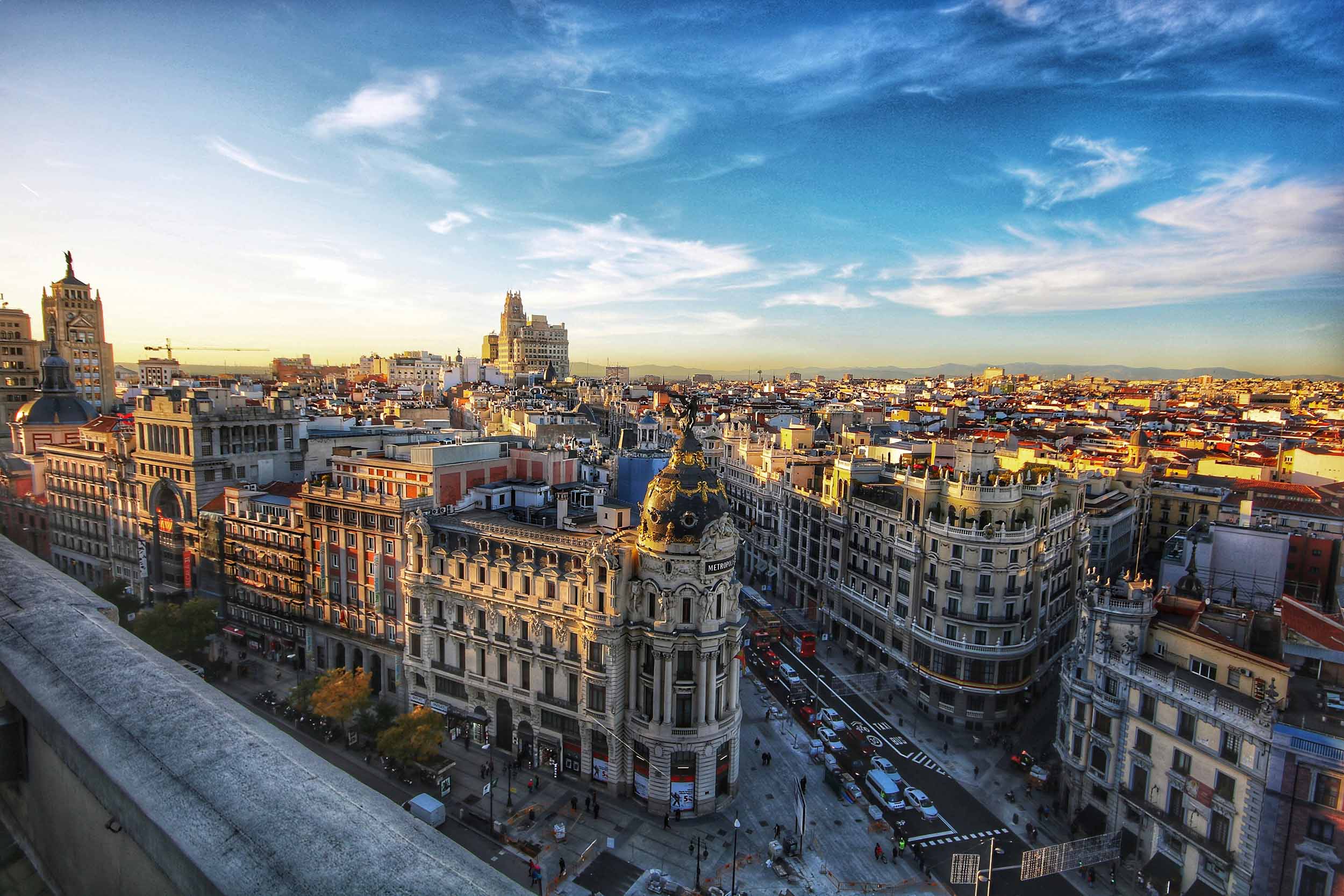
The city that never fully lets you go — whether it’s the Gaudí architecture, the beach, or the fact that you accidentally ate dinner at 10 PM and somehow loved it.
Barcelona, Spain is one of those rare cities that pulls off being simultaneously a beach destination, a world-class architecture city, a food capital, and a cultural hub — and somehow does all of it without feeling like it’s trying too hard. The capital of Catalonia (and Spain’s second-largest city) sits right on the Mediterranean coast, which is already an unfair advantage most European cities don’t have.
It’s also a city with a strong identity of its own. Catalan culture is distinct from the rest of Spain — the language, the food, the local pride — and that comes through in everything from the street signs to what’s written on restaurant menus.
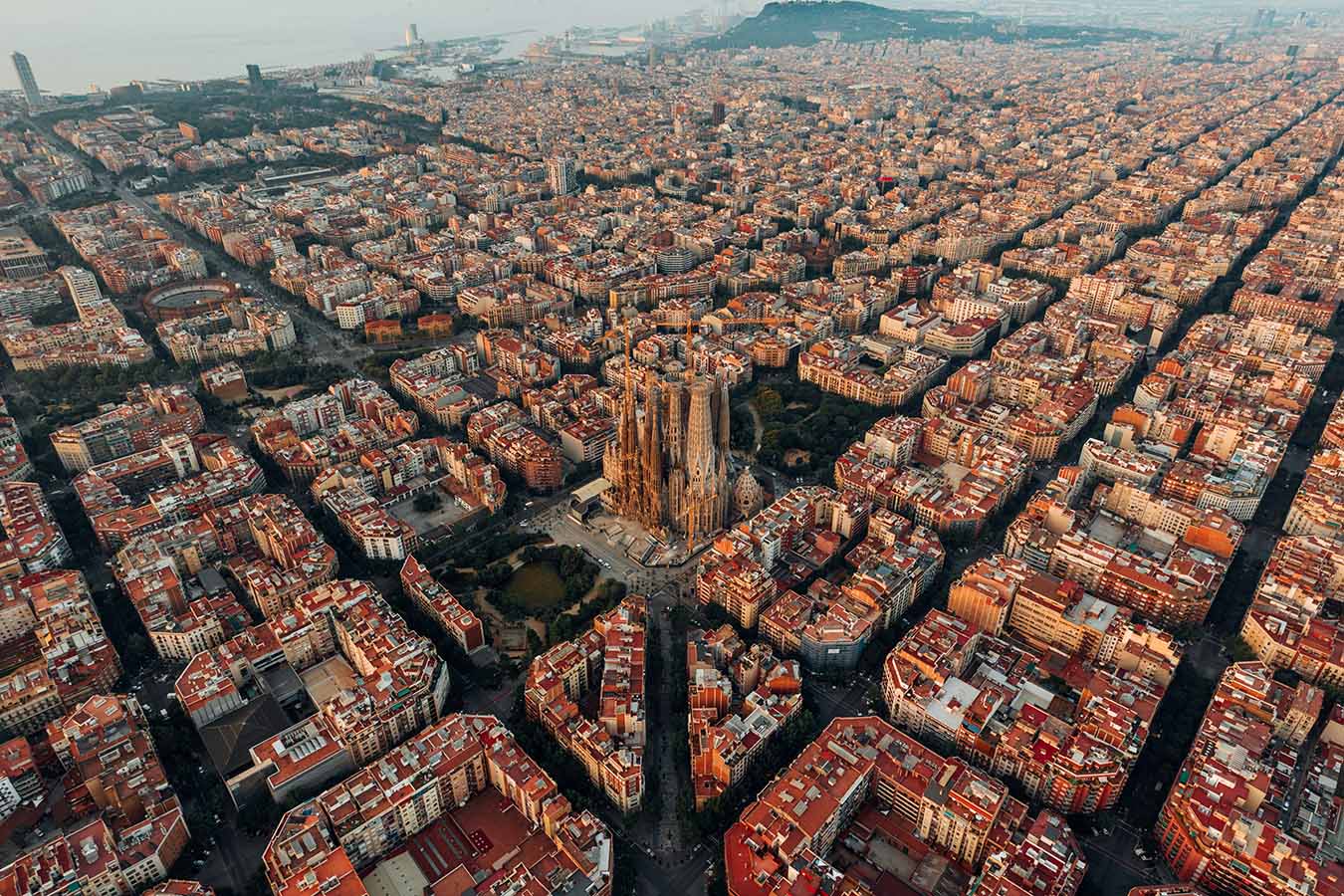
Spring (March to May) and autumn (September to November) are the sweet spots. The crowds are thinner, the weather is pleasant — 18–25°C most days — and hotel prices drop noticeably compared to summer.
July and August are peak season. The city is packed, the beaches are genuinely mobbed, and temperatures regularly hit 33–35°C with high humidity. If you enjoy heat and don’t mind crowds, it’s fine — just book everything months in advance, including Sagrada Família tickets.
October is arguably the best single month to visit. The sea is still warm enough to swim, the summer tourist surge has passed, and the city’s La Mercè festival (late September) marks a great lead-in. Locals are back from their own August holidays and Barcelona feels like itself again.
Winter (December–February) is genuinely cold by Mediterranean standards but still mild compared to northern Europe — around 8–14°C. The Gothic Quarter is particularly atmospheric with almost no crowds, and you’ll get discounted rates on almost everything.
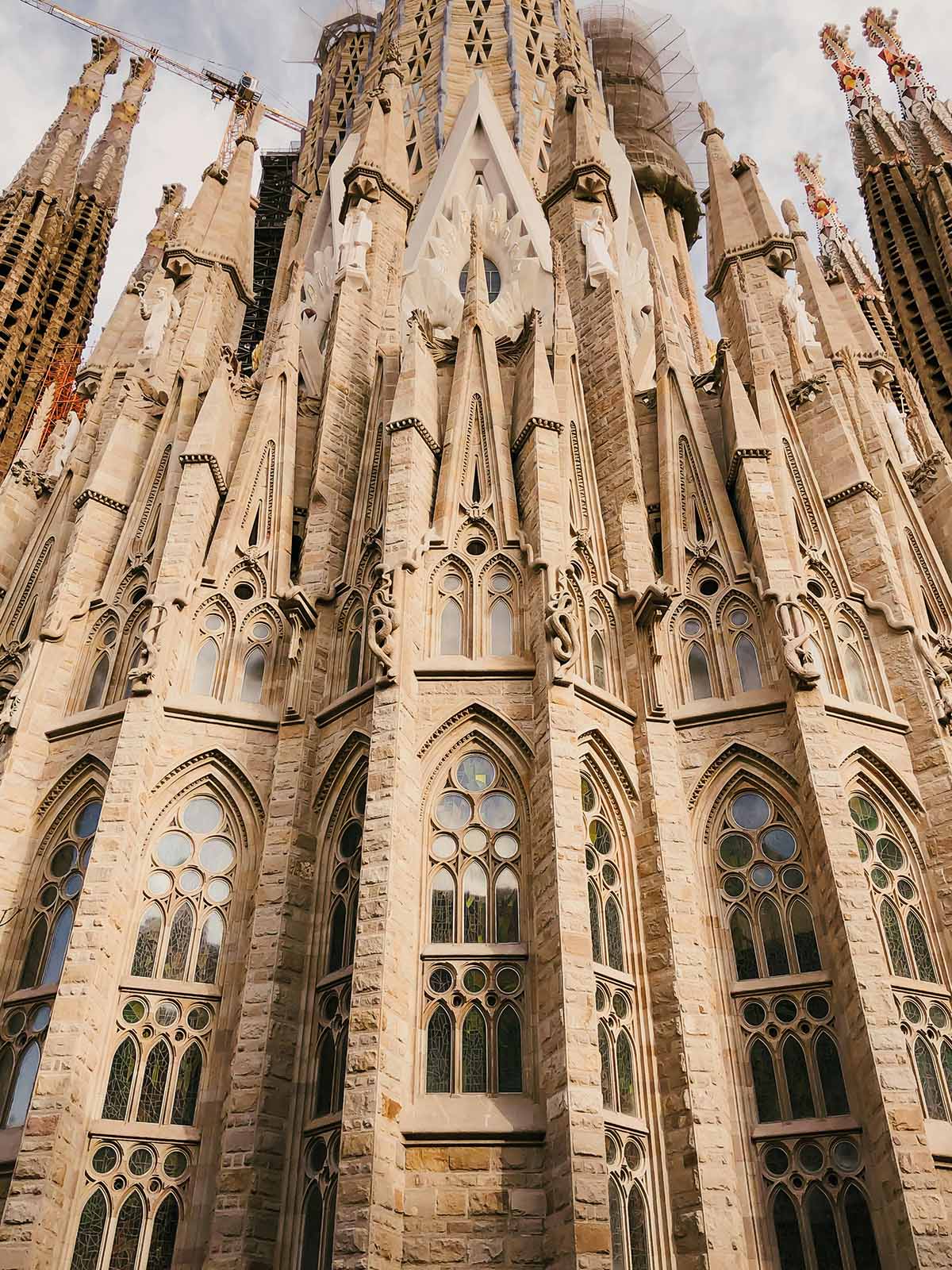
The single most visited site in Spain and for good reason. Antoni Gaudí’s unfinished basilica has been under construction since 1882 and — after decades of “estimated completion soon” — the towers are finally nearing their final state, with major milestones completed around the 2026 centenary of Gaudí’s death.
The interior is the real surprise for most first-timers. The stained glass floods the nave in deep blues and oranges depending on where you stand, and the column structure genuinely looks like a stone forest. Budget at least 90 minutes inside.
Ticket prices (2026):
Critical: Book online in advance at the official website. The basilica regularly sells out weeks ahead during high season, and there are hourly capacity limits. Do not show up hoping to buy on the day — you will very likely be turned away.
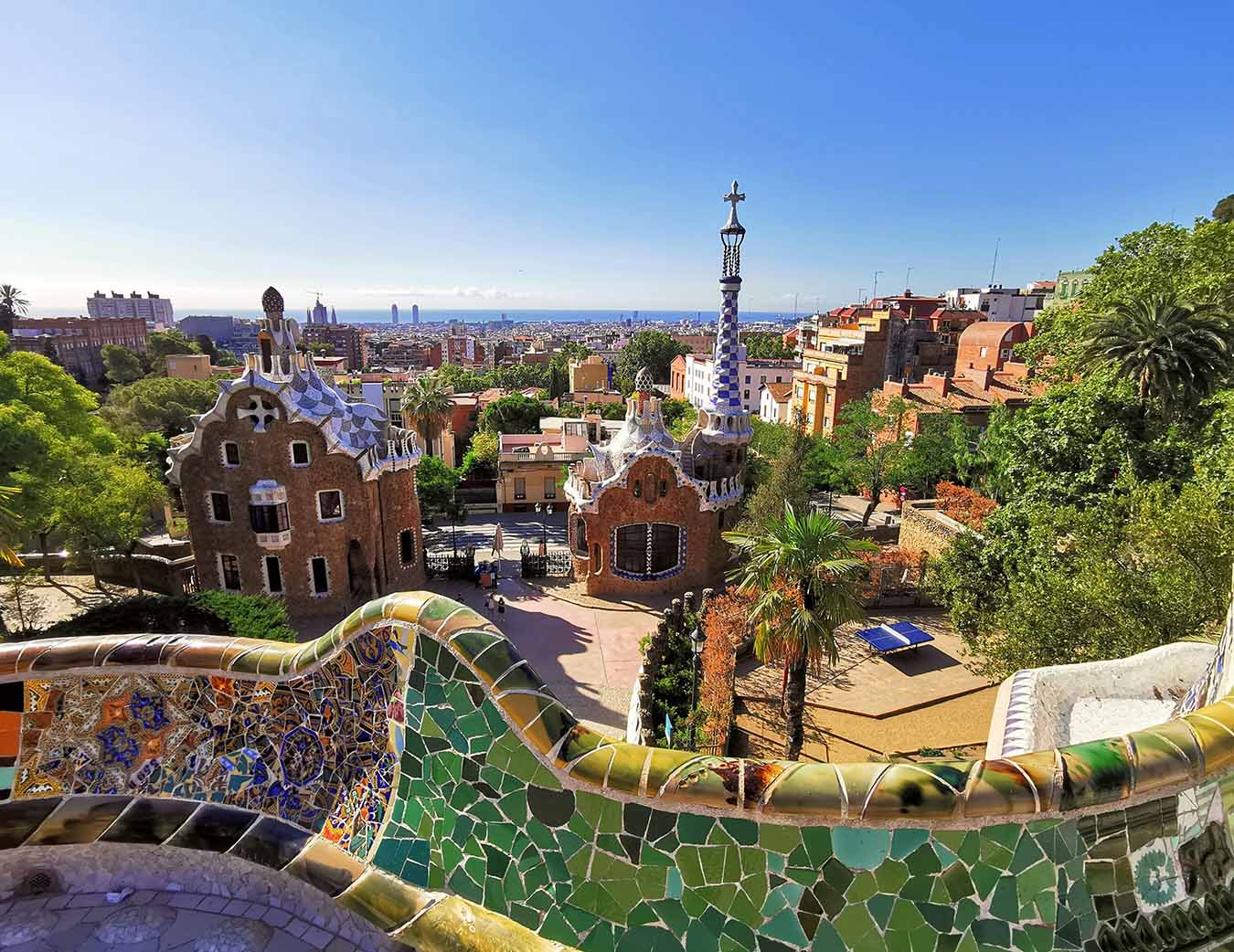
Another Gaudí project, this one a UNESCO World Heritage Site perched above the city on Carmel Hill. The monumental zone — the colourful mosaic terrace, the famous serpentine bench, the gingerbread-style gatehouses — requires a ticket, while the surrounding park is free to roam.
Tickets: €10 online, €13 at the gate (when available — gate tickets often sell out)
Go in the morning if you want photos without hundreds of people in the background. The views over Barcelona from the terrace are among the best in the city.
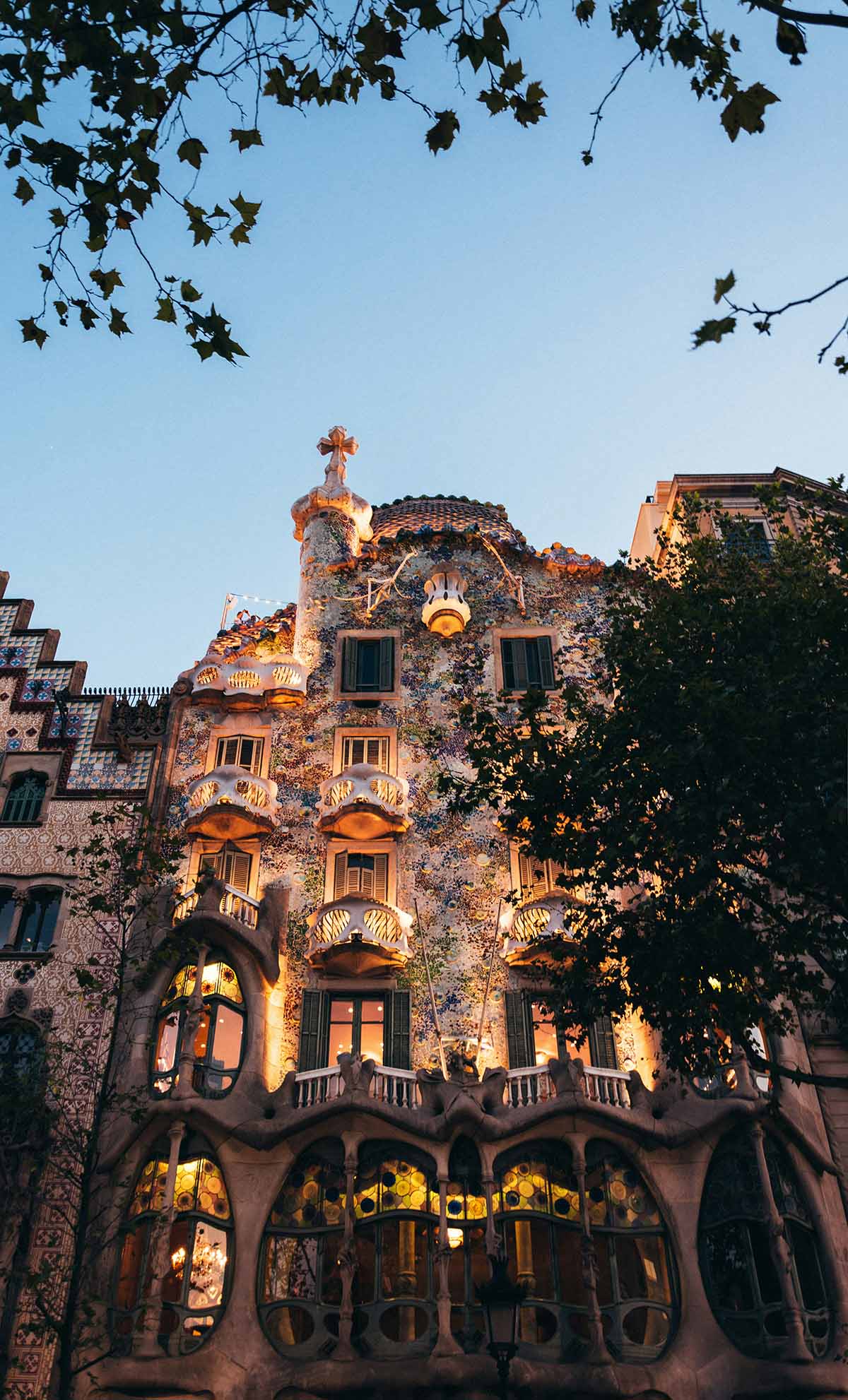
Both are on Passeig de Gràcia — Barcelona’s most elegant boulevard — and both are Gaudí buildings that look like no building you’ve ever stood next to.
You don’t need to do both on the same day. But if you’re only picking one, Casa Batlló’s exterior on Passeig de Gràcia is more dramatic, while La Pedrera’s rooftop is an experience that sticks with you.
Located in the El Born neighbourhood, the Picasso Museum holds one of the most comprehensive collections of Picasso’s early work — and the medieval palaces it’s housed in are worth a visit on their own.
Tickets: €14 permanent collection, €17 including temporary exhibitions. Free entry the first Sunday of every month and every Thursday evening after 5 PM (you’ll want to queue early for these).
A hill overlooking the port with the 1992 Olympic Stadium, Palau Sant Jordi, the Joan Miró Foundation, and the Castell de Montjuïc (€9). The Magic Fountain — a free light and water show near the base of the hill — runs evenings from Thursday to Sunday. Worth checking the current schedule before you go.
The Gothic Quarter (Barri Gòtic) is the oldest part of Barcelona — a dense maze of narrow medieval streets, Roman ruins, stone arches, and shaded plazas. Most of the city’s original Roman walls are still visible here, if you know where to look.
It’s easy to spend a few hours just wandering without a specific plan, which is actually the right approach. Walk into Plaça de Sant Felip Neri, find the Barcelona Cathedral (free entry, €10 for full roof access), wander down Carrer del Bisbe and over the Gothic bridge above it, and eventually end up at Plaça Reial with a coffee.
A few things to know: the Gothic Quarter is a prime pickpocket zone. Keep your bag in front of you, don’t stop to read your phone in the middle of a narrow street, and stay alert in any crowd. The area is also extremely cobblestoned — flat shoes are not optional, they’re essential.
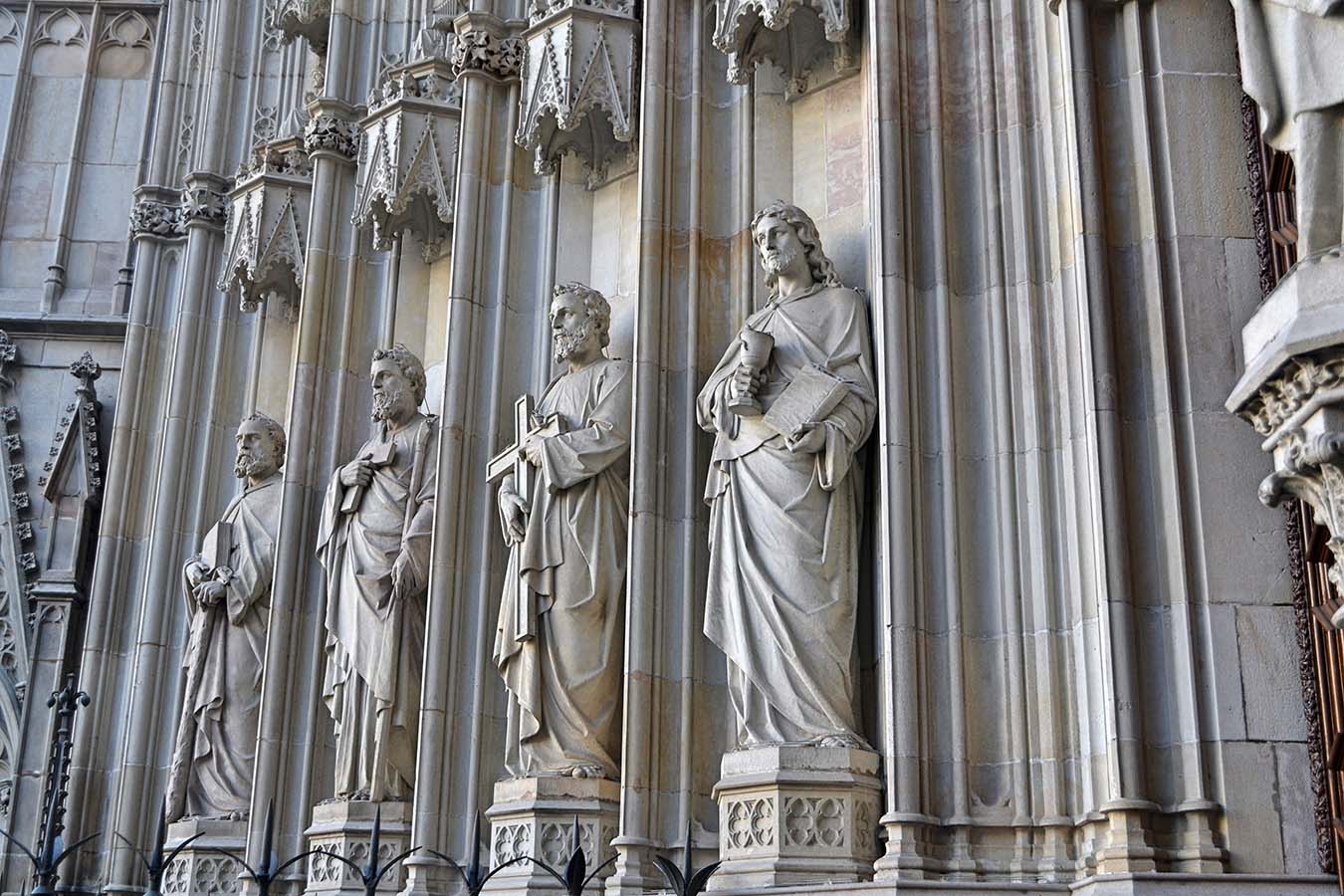
Free walking tours of the Gothic Quarter run daily — Sandemans Tours operates a well-regarded one that works on a tips basis. It’s a great way to orient yourself on the first day and find spots you’d otherwise miss.
Barcelona has nearly 5 kilometres of city beaches along the Mediterranean, all free, all accessible by metro or bus, and all with lifeguards during the official beach season (late May to mid-September).
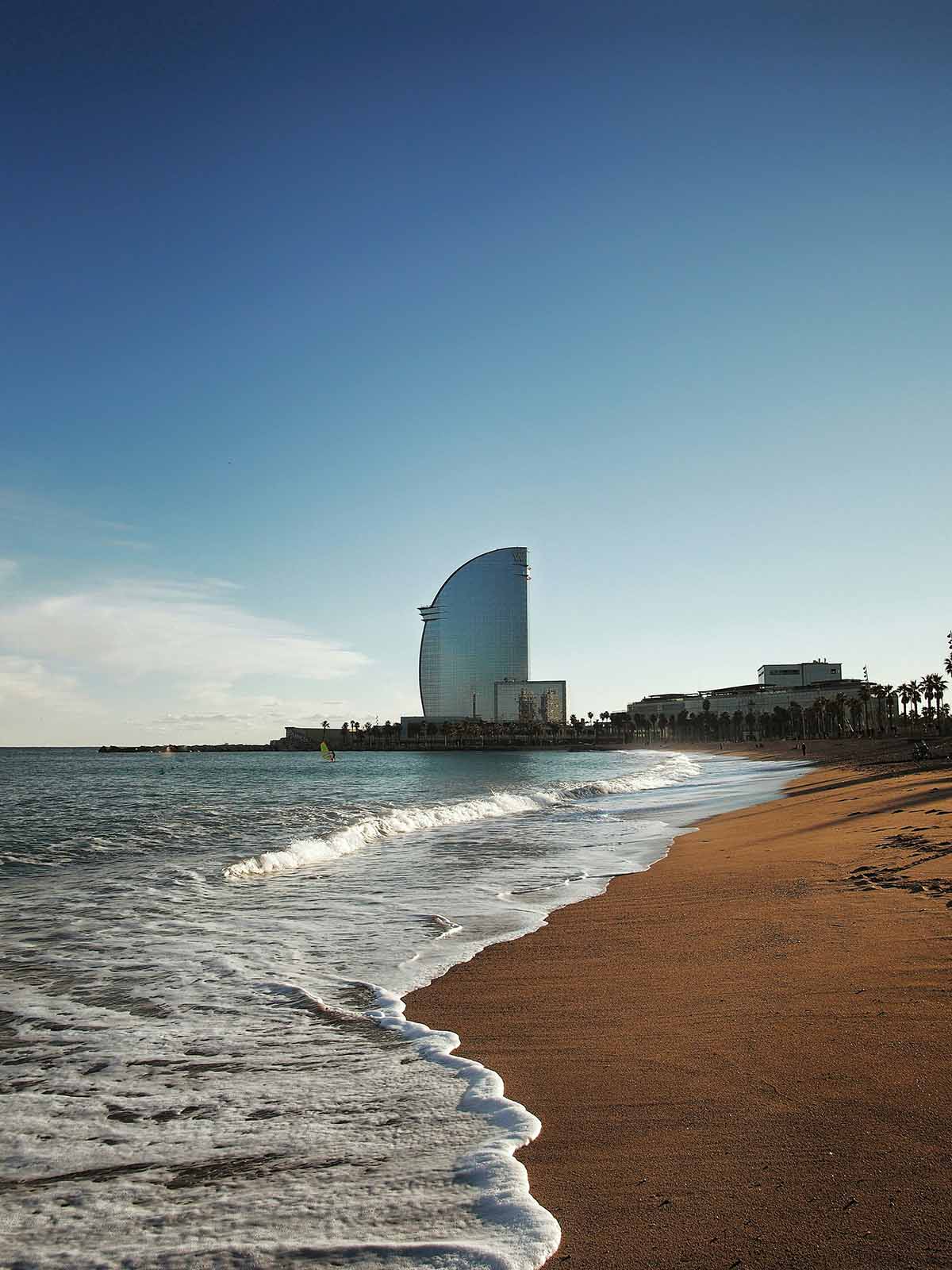
The most famous and most crowded. It’s the one closest to the city centre — 20 minutes on foot from Las Ramblas or a quick metro ride (Line 4 to Barceloneta). The beach is long, the promenade is lined with restaurants and bars, and at no point will you mistake it for a quiet retreat.
Vendors walking the sand selling mojitos in plastic cups are a fixture. Skip those (genuinely no idea what’s in them) and head to Bar Jai-Ca or Can Ros instead.
Pro tip: If Barceloneta is too chaotic, walk 15 minutes north along the promenade. Each beach gets progressively calmer and more local.
Sun lounger and umbrella rentals run around €30–40 each.
Just southwest of Barceloneta, this is the longest beach in the city (almost 1 km) and generally cleaner and more spacious. Blue Flag certified. The distinctive W Hotel sail building marks its western end. Popular with a mix of families, sports clubs, and naturists (don’t be surprised).
Just past the Olympic Marina, Nova Icària is consistently the pick for families. It has a quieter atmosphere, playgrounds, volleyball courts, and a genuinely relaxed vibe compared to the madness at Barceloneta. The metro stop (Ciutadella Vila Olímpica, Line 4) drops you practically on the sand.
A couple of kilometres further north, Bogatell is the beach where locals who know what they’re doing tend to end up. It’s twice as long as Nova Icària, has volleyball courts and a football pitch, and the seafood at Xiringuito Escribà nearby is some of the best paella in the city.
The city’s designated naturist stretch and something of a social hub for Barcelona’s LGBTQ+ community. Not all of Mar Bella is clothing-optional — the northern section near the Municipal Sports Complex is a conventional beach with water sports rentals and a skateboard rink.
If the city beaches feel too urban, Catalonia’s coastline stretches well beyond Barcelona in both directions.
Castelldefels (30 minutes by Rodalies R1 train) is a long, wide beach with a much more local crowd and good seafood restaurants. The Olympic Canal of Catalonia is just inland if water sports are your thing.
Sitges (45 minutes by train from Barcelona Sants) is a charming coastal town with a string of pretty beaches, a strong arts scene, and one of Europe’s most celebrated LGBTQ+ destinations. Much more relaxed than anything in the city.
Costa Brava (1.5–2 hours by car or bus) features some of the most beautiful and rugged coastline in Spain — places like Cadaqués (also home to Salvador Dalí’s house at Port Lligat) and Begur have turquoise coves that look nothing like what you’d expect from Spain’s Mediterranean coast.
The red double-decker covers two routes hitting most major sights. €33 for one day, €44 for two days. Useful for a general orientation on your first day, but if you’re comfortable with the metro, you’ll find it slower than public transport and often crowded in summer.
Best use case: arriving tired, wanting to get a sense of the city layout without thinking too much.
These run around €80–130 per person through operators like GetYourGuide, Viator, and local agencies, and typically include hotel pickup, a guided walk through the Gothic Quarter and El Born, transport to Montjuïc, Park Güell, and the Sagrada Família with skip-the-line entry. Duration is roughly 7–8 hours.
Reviews are consistently positive — guides are frequently praised for making the Gaudí context actually land, rather than just walking past things. Common critique: Park Güell gets rushed. If you want more time there, book a separate Park Güell tour or go independently.
If architecture is the main draw, a smaller group tour (usually capped at 8–17 people) focused on Gaudí’s work — Casa Batlló, La Pedrera, Sagrada Família, Park Güell — offers more depth than a general city tour. Prices run €95–150 per person including entries.
Technically not a Barcelona thing (flamenco is Andalusian, not Catalan), but it’s a popular evening add-on. The Tablao de Carmen at Montjuïc and Palau Dalmases in El Born both get solid reviews. Expect to pay €35–65 for the show, more if dinner is included.
Sandemans Tours runs free walking tours of the Gothic Quarter, the Old Town, and other neighbourhoods daily. You tip the guide at the end based on what you felt it was worth — and they’re genuinely good. It’s the best way to spend your first few hours in the city.
The official city pass includes unlimited metro, bus, and tram travel (Zone 1, including the airport train but not the Aerobus) plus free entry to select museums and discounts at dozens of attractions. Prices vary by duration — a 3-day card runs around €50 for adults. Worth it if you’re visiting multiple museums and moving around a lot.
These are structured passes that bundle Sagrada Família, Park Güell, and other top attractions. If you’re visiting 5+ paid attractions, these can offer meaningful savings over individual tickets. Compare the specific bundle against your planned itinerary before buying.
Free access to 10 modernist spaces including Sant Pau Recinte Modernista — good if Catalan architecture is the focus of your trip rather than Gaudí specifically.
Many museums offer free entry on Sunday afternoons after 3 PM, or on the first Sunday of every month. Coordinate your itinerary around these and you can eliminate some significant costs.
Barcelona’s main airport is Josep Tarradellas Barcelona-El Prat (BCN), about 14 km southwest of the city centre. Over 57 million passengers passed through in 2025, making it one of Europe’s busiest airports.
Getting from the airport to the city:
Some routes from northern Europe also land at Girona-Costa Brava Airport (GRO), about 90 km north of Barcelona. A direct bus runs to the city in about 70 minutes (around €16).
High-speed trains from Madrid take around 2.5–3 hours on the AVE service and run frequently throughout the day. From Paris via Lyon, the journey takes about 6.5 hours on the Renfe-SNCF international service. All long-distance trains arrive at Barcelona Sants, which is well-connected to the metro.
Barcelona is accessible via the AP-7 (toll road) from France in the north and Valencia/Madrid in the south. The tolls are notable — expect to pay throughout your journey if you drive across Spain or from France.
You do not need a car in Barcelona. In fact, a car in the city centre is more of a problem than a solution.
Metro — 8 lines, clean, reliable, and covers almost all the sights. A T-Casual 10-trip card costs around €11.35 for Zone 1, which is the cheapest way to use the system. Single tickets are around €2.55.
Bus — Extensive network and useful for the beaches and coastal areas not directly on a metro line.
Tram — Runs in two separate systems covering the upper city and coastal routes. Included on the same ticket as the metro.
Bicycle — Barcelona has a solid cycling infrastructure. Bike rentals cost around €10–15 per day, and the seafront path from Barceloneta northward is a genuinely pleasant cycling route.
On foot — A surprising amount of central Barcelona is walkable. From Sagrada Família to the Gothic Quarter takes about 30–35 minutes on foot, passing Casa Batlló and La Pedrera on the way. Good shoes matter.
A car makes sense in Barcelona only if you’re planning to explore the wider region — Costa Brava, the wine country around Penedès, or the Pyrenees. For the city itself, it’s genuinely not worth the parking headaches.
Where to pick up a rental:
Requirements:
Road rules to know:
Insurance: Take full coverage. Spanish rental companies have a reputation for charging for minor damage, and the roads in the Gothic Quarter are narrow enough to make contact with something a genuine possibility.
Street parking in the city centre is color-coded:
Underground car parks are scattered across the city and generally run €3–5 per hour, or around €25–30 for a full day. Pre-booking via Parclick can significantly reduce rates.
Park-and-Ride facilities on the city outskirts let you park and take the metro in — much less stressful:
A practical note: the Gothic Quarter and much of the Eixample have restricted vehicle access zones. Your GPS may route you through streets where you’ll face a camera and a fine. Check the current EPZ (Low Emissions Zone) restrictions before driving into the centre.
The short answer: smart casual, flat shoes, no fanny pack, and layers in spring and autumn.
Summer (June–August): Lightweight linen or cotton everything. The humidity can be brutal in August. Men wear shorts, breathable shirts; women wear flowy dresses or light shorts and tops. Swimwear is for the beach only — walking into a restaurant in a bikini top will get you sideways looks and possibly turned away. Bring a light cardigan for museums (the air conditioning is aggressive).
Spring and Autumn: Layers. Daytime can be 20–22°C; evenings drop to 12–15°C, especially in October and November. A light jacket or denim layer is essential. This is actually the most comfortable time to dress, since you have real flexibility.
Winter (December–February): A proper jacket. It’s not freezing, but it’s genuinely cold, especially with the wind off the sea. Heavier denim, boots, scarves — the same things you’d wear in mild northern European winter.
For religious sites (Sagrada Família, Barcelona Cathedral): Shoulders and knees must be covered. Bring a scarf to wrap around your shoulders if you’re in a sleeveless top. Staff at the Sagrada Família turn away visitors in tank tops, mini-shorts, and swimwear without exception.
Shoes: This deserves its own paragraph. The Gothic Quarter is 100% cobblestones. The Eixample is concrete and long blocks. You will walk at least 8–12 km per day. White leather sneakers, broken-in walking sandals, or flat ankle boots are the local choice. Heels are a bad idea. Safari boots are an even worse idea.
The pickpocket note on fashion: Looking like an obvious tourist makes you a target. Crossbody bags with zippers, worn in front, are the standard. Avoid open-top baskets, backpacks worn on your back in crowds, and cameras hanging around your neck. None of this guarantees you won’t be targeted — pickpockets don’t discriminate — but making yourself a more difficult target is basic sense.
Reviews from visitors across TripAdvisor, GetYourGuide, and Google Reviews paint a consistent picture of what lands and what doesn’t.
On Sagrada Família: Almost universally described as worth the ticket price, often described as the single most impressive thing visitors have seen. The interior light — especially morning light through the Nativity stained glass — comes up repeatedly. The frequent complaint is the tower ascent feeling rushed with timed queues.
“I’ve been to a lot of churches. I wasn’t prepared for what the inside looked like. The columns feel like you’re inside a tree. The light from the stained glass on the far wall in the morning is something I keep thinking about.” — TripAdvisor verified review
On Park Güell: The views and mosaics deliver, but guided tours often get 1 hour maximum, which many visitors describe as rushed.
“The terrace and the views are genuinely spectacular. The guided tour moved too fast for us to take it in. If I went back, I’d buy an independent ticket and spend the whole morning.” — GetYourGuide verified review
On the Gothic Quarter: Almost everyone loves it, especially in the morning or early evening. The common issue is getting lost in a good way.
“We had no plan and just walked. Found a Roman temple in the middle of a shopping street. Stumbled onto a square with geese in the cathedral cloister. It doesn’t feel like a tourist attraction — it feels like a city that just happens to be very old.” — Google Review
On Barceloneta Beach: Divided opinions. Locals and experienced visitors tend to direct newcomers toward Nova Icària or Bogatell instead.
“Barceloneta is exactly what people say it is. Loud, crowded, fun if that’s your thing. The paella at Can Ros was excellent. Wouldn’t go back to that specific beach, but I’d absolutely go back to Barcelona.” — Tripadvisor verified review
Dinner is late. Restaurants start filling up at 9 PM. If you sit down at 7 PM expecting a lively dining experience, you’ll eat alone. Kitchen hours often run until midnight or later.
Book Sagrada Família and Park Güell before you book your flights. Not an exaggeration. High season slots disappear weeks ahead.
The Boqueria Market is worth seeing but not worth buying lunch in. The stalls near La Rambla are overpriced and aimed entirely at tourists. The excellent version of the market is toward the back, where actual locals still shop.
Las Ramblas is not dangerous, but it is prime pickpocket territory. Walk it once, take in the energy, and don’t keep your wallet in your back pocket.
Sunday afternoon museum entry is free at many institutions — check the list before your trip and plan accordingly.
Tap water is drinkable — fill up at the public fountains and skip the bottled water mark-up.
The bird poo scam is real. Someone approaches you, tells you there’s bird poo on your jacket, and offers to help you clean it. While you’re distracted, someone else takes your bag. Walk away.
Learn two words: Gràcies (thanks) and Si us plau (please) in Catalan. Catalans appreciate the effort. Spanish works fine everywhere, but in Catalonia, gesturing toward the local language goes down well.
The Bunkers del Carmel — old anti-aircraft bunkers on a hill above the Gràcia neighbourhood — give the best 360° views of the whole city. Completely free. Almost no one who arrives by tour bus goes there.
Barcelona Spain is the kind of place you keep planning to leave and then don’t, because there’s always one more neighbourhood, one more market, or one more beach north of the last one. Give it at least four or five days. You’ll need them.
Last updated: 2026 season. Prices and schedules may vary — always verify on official websites before booking.